Choosing the Right Steel Culvert for Your Infrastructure Project
When planning a drainage or infrastructure project, one of the most critical decisions is selecting the right pipe system. For decades, reinforced concrete and various plastic pipes have been common choices. But in many applications, especially where load-bearing capacity and longevity matter most, the steel culvert remains a preferred solution. Having worked on several road and drainage projects across Indonesia, I have seen firsthand how the right material choice can save time, reduce maintenance, and handle challenging site conditions.
What Makes a Steel Culvert Stand Out
A steel culvert is essentially a pipe made from high-strength steel, often coated with a protective layer of zinc through a process called galvanis. This galvanis coating is what gives the pipe its resistance against korosi, which is a major concern in any wet environment like a saluran air or drainase system. The combination of steel's inherent strength and the corrosion protection from galvanis makes these pipes incredibly durable. In my experience, a well-manufactured steel culvert can last several decades even in aggressive soil or water conditions.
The key advantage is structural performance. Steel has a high strength-to-weight ratio, meaning a steel culvert can support heavy loads from traffic or soil without requiring excessive wall thickness. This is particularly important in konstruksi jalan or infrastruktur where heavy vehicles pass overhead. Concrete pipes, while strong, are brittle and can crack under uneven settlement. Plastic pipes may deform under high temperatures or sustained loads. Steel offers a balance of flexibility and strength that absorbs ground movement without failing.
Material Quality and Standards Matter
Not all steel pipes are created equal. A reliable steel culvert must meet national standards to ensure consistent quality and performance. In Indonesia, the SNI standard sets the benchmark for material composition, coating thickness, and dimensional tolerances. When a product carries the SNI mark, it means the manufacturer has passed rigorous testing. Likewise, TKDN certification indicates the product uses a minimum percentage of locally sourced materials and labor, which supports the domestic economy and often shortens lead times.
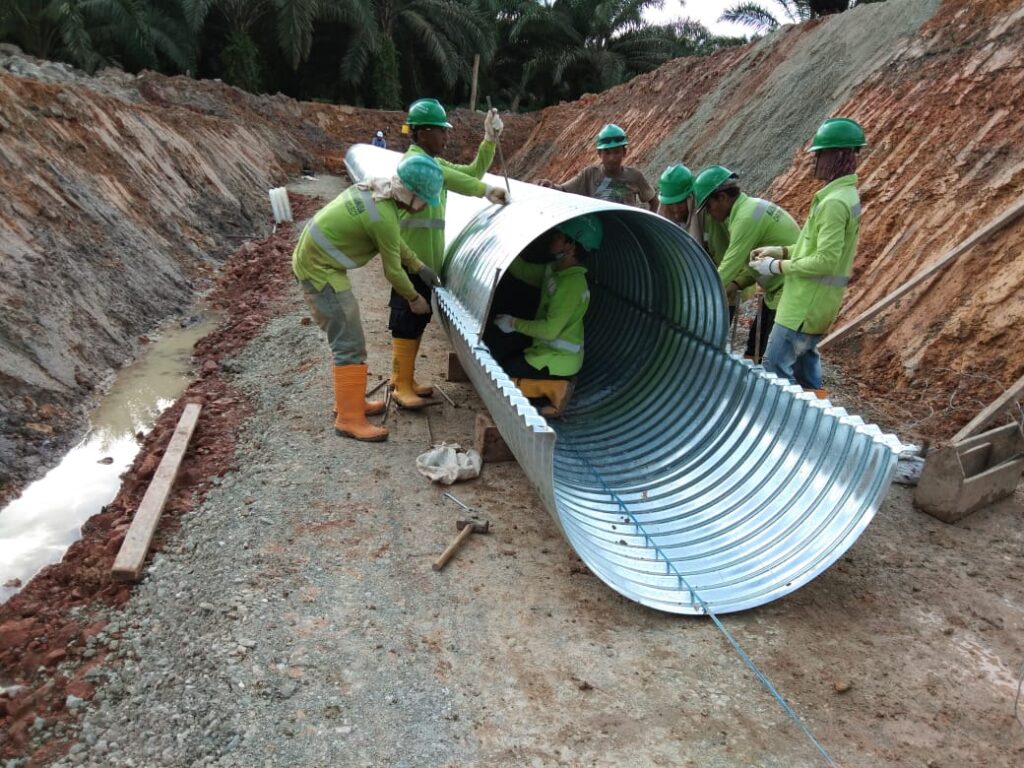
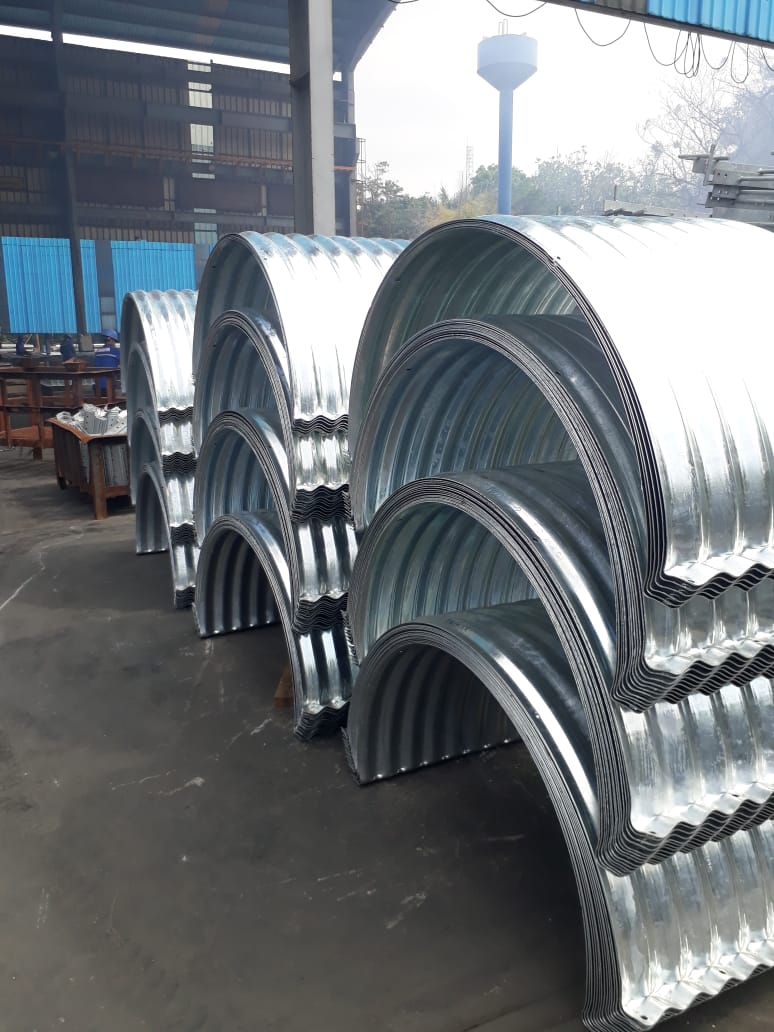
During a recent project in Bekasi, we sourced gorong-gorong baja from a local producer. The pipes came with clear SNI certification and TKDN documentation. That gave us confidence in the consistency of the diameter and ketebalan across the entire shipment. On-site, the pemasangan went smoothly because the pipes matched the design specifications exactly. We did not have to waste time adjusting joints or cutting sections to fit. That kind of reliability comes from a manufacturer that controls its own pabrik and quality processes.
Galvanis Coating: The First Line of Defense
The galvanis process involves dipping or spraying the steel pipe with molten zinc, which bonds to the surface and forms a protective layer. This layer acts as a sacrificial anode: if the coating gets scratched, the zinc corrodes first instead of the steel. For a steel culvert installed underground or in a saluran air, this is invaluable. Water constantly flows through the pipe, and soil contains moisture and chemicals that can accelerate rust. A thick, uniform galvanis coating can extend the pipe's service life by decades.
I recall inspecting a drainage system that had been in operation for over fifteen years. The gorong-gorong baja still showed minimal signs of wear. The galvanis coating had dulled but remained intact, and the structural integrity was sound. That kind of performance is what you get when you invest in quality baja galvanis from the start. Cheap alternatives often skimp on coating thickness or use inferior steel, leading to premature failure and costly replacements.
Hydraulic Performance and Sizing
Another factor where the steel culvert shines is in its kapasitas hidrolik. The smooth interior surface of a steel pipe allows water to flow with less friction compared to concrete or corrugated metal alternatives. This means you can achieve the same drainage capacity with a slightly smaller diameter pipe, or you can move more water with the same size. In design terms, that translates to flexibility. If your site has limited space for the pipe profile, a steel culvert can often meet the hydraulic requirements without needing a larger crossing.
When selecting the correct diameter, you must consider not only the peak flow rate but also the slope of the pipe and the roughness coefficient. Steel pipes generally have a Manning's roughness coefficient around 0.013, which is quite smooth. That allows for efficient flow even at moderate slopes. The ketebalan of the steel also affects the internal diameter and the pipe's resistance to crushing. Thicker walls can handle deeper burial depths and heavier loads, but they also reduce the internal cross-section slightly. A good engineer will balance these factors to choose the optimal combination.
Installation Considerations
Proper pemasangan is just as important as the pipe itself. A steel culvert is relatively light compared to concrete, so it can be handled with lighter equipment and less labor. That can reduce installation time and cost. However, the bedding and backfill must be done carefully. The pipe needs to rest on a stable foundation, typically a layer of sand or fine gravel, to distribute the load evenly. Improper bedding can cause the pipe to deform or settle unevenly, leading to joint separation or structural damage.
During installation, it is also essential to protect the galvanis coating from scratches and cuts. Dragging the pipe over sharp rocks or using metal chains without padding can damage the coating. If the coating is compromised, the steel underneath becomes vulnerable to corrosion. Simple precautions like using fabric slings during lifting and placing the pipe on a clean bed can prevent these issues. In my experience, crews that understand the material and take care during handling get the best long-term results.
Environmental and Economic Benefits
Steel is one of the most recycled materials in the world. A steel culvert can be made from a high percentage of recycled steel, and at the end of its life, the entire pipe can be recycled into new steel products. This circularity is a significant advantage for projects aiming for green building certifications or reduced environmental impact. Additionally, because steel pipes are durable and require minimal maintenance over their lifespan, the total cost of ownership is often lower than alternatives that need more frequent replacement or repair.

For infrastructure projects in Indonesia, where funding is often tight and maintenance budgets limited, choosing a proven solution like a steel culvert from a trusted manufacturer such as PT Primari Inrahm Utama can provide peace of mind. Their production facility in Bekasi produces gorong-gorong baja with strict adherence to SNI and TKDN requirements, ensuring that every pipe meets the needed diameter, ketebalan, and coating standards. That kind of consistency is hard to beat when you are managing a large project with tight deadlines.
Final Thoughts on Selection
Choosing the right pipe for your drainage or culvert application comes down to understanding the site conditions, load requirements, and budget. The steel culvert offers a compelling combination of strength, corrosion resistance, hydraulic efficiency, and sustainability. By specifying a product that meets SNI standards and comes from a reputable manufacturer, you set your project up for success. Whether you are building a new road, upgrading a drainage system, or working on agricultural infrastructure, the right pipe choice will serve you well for decades.